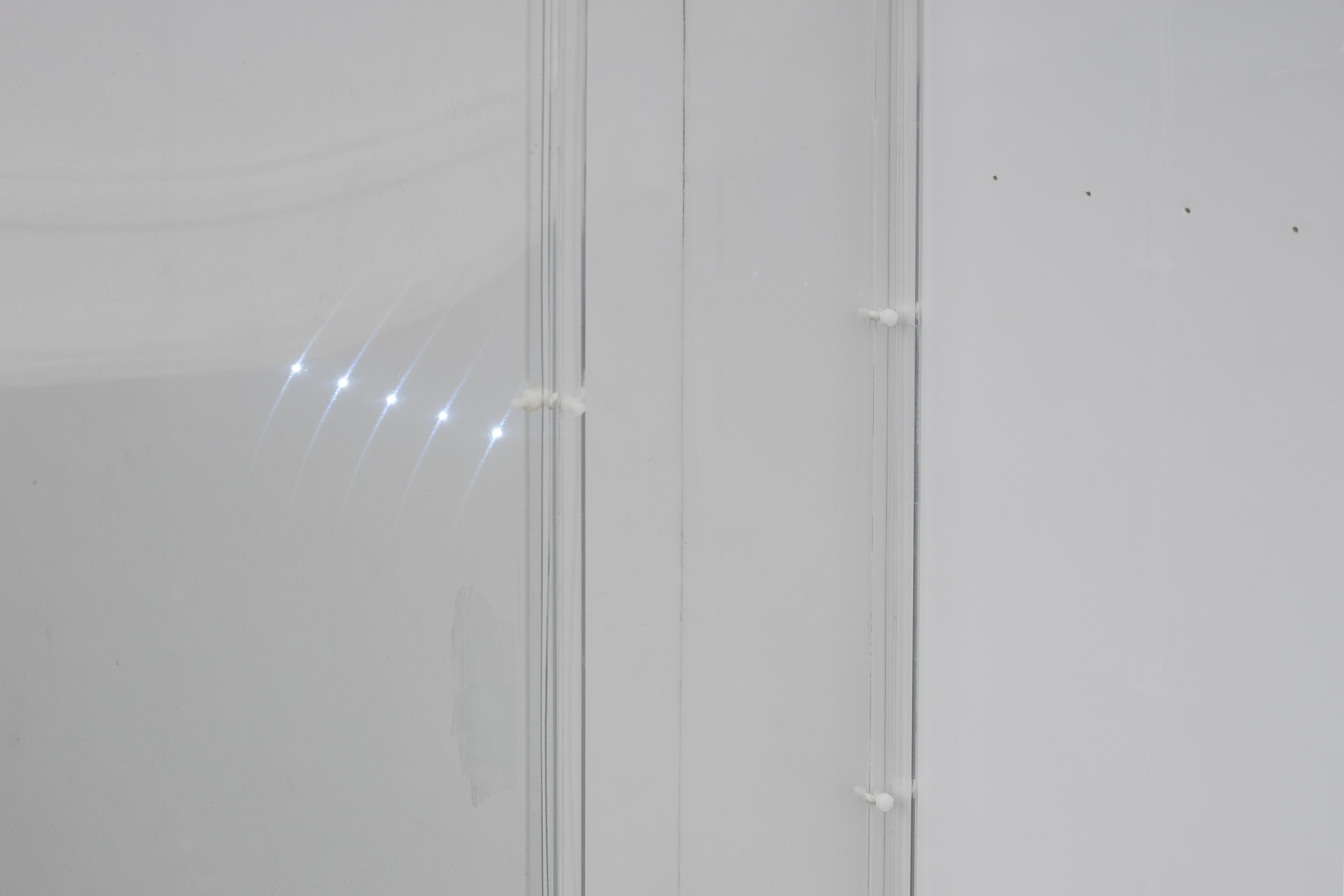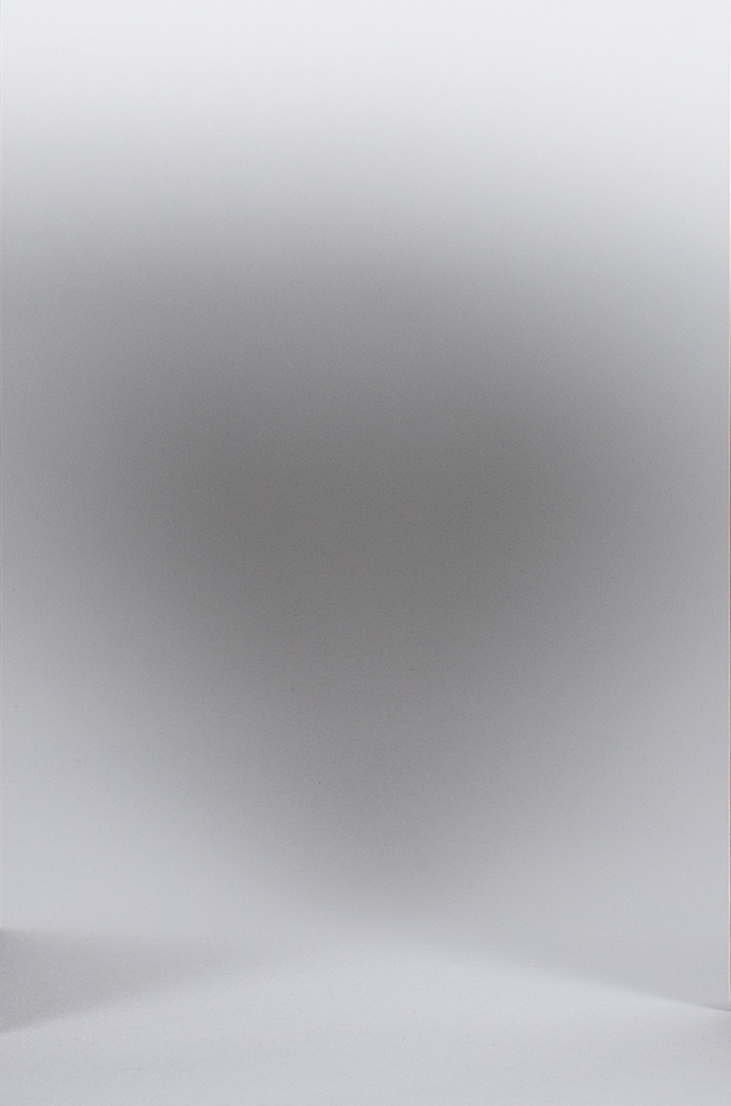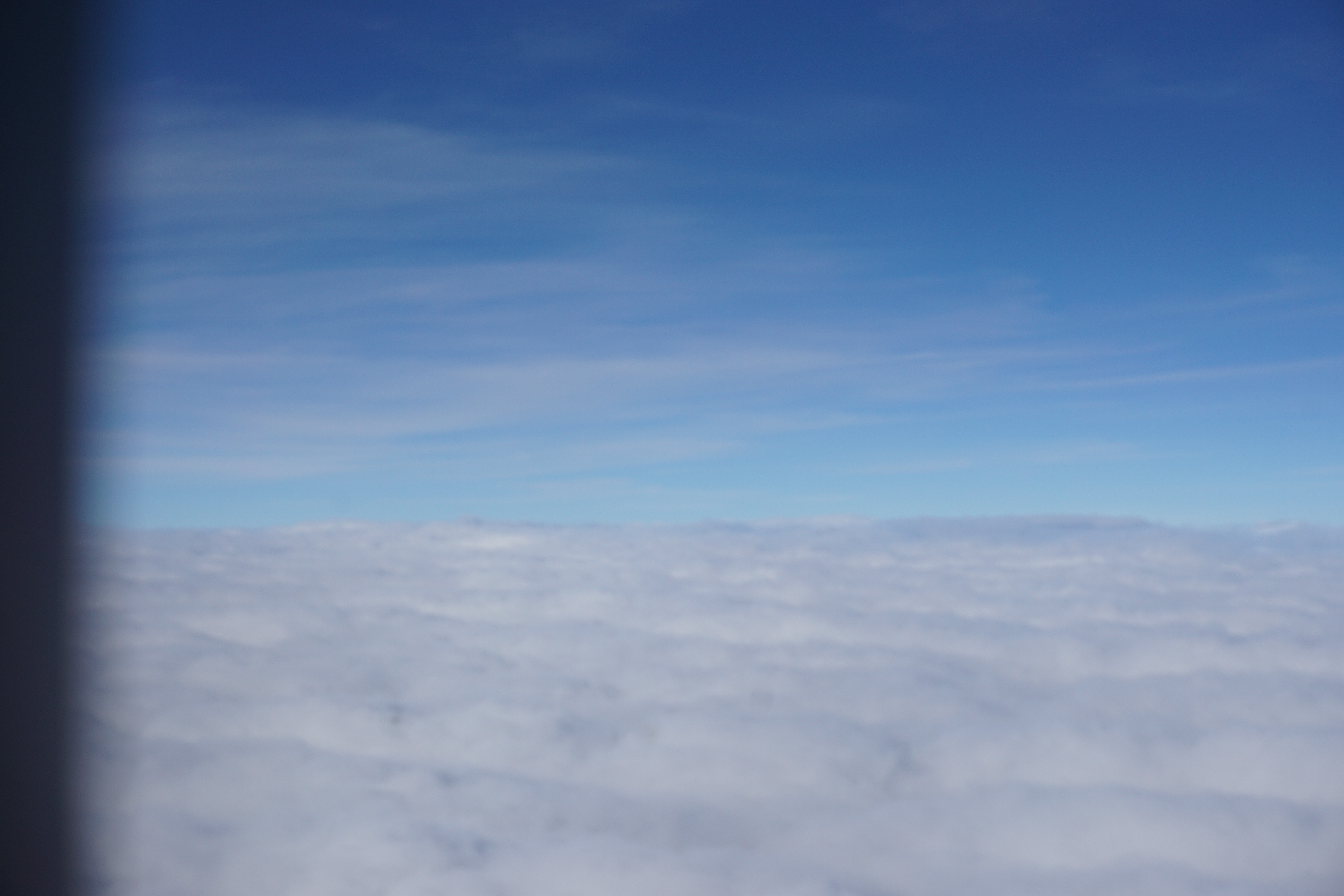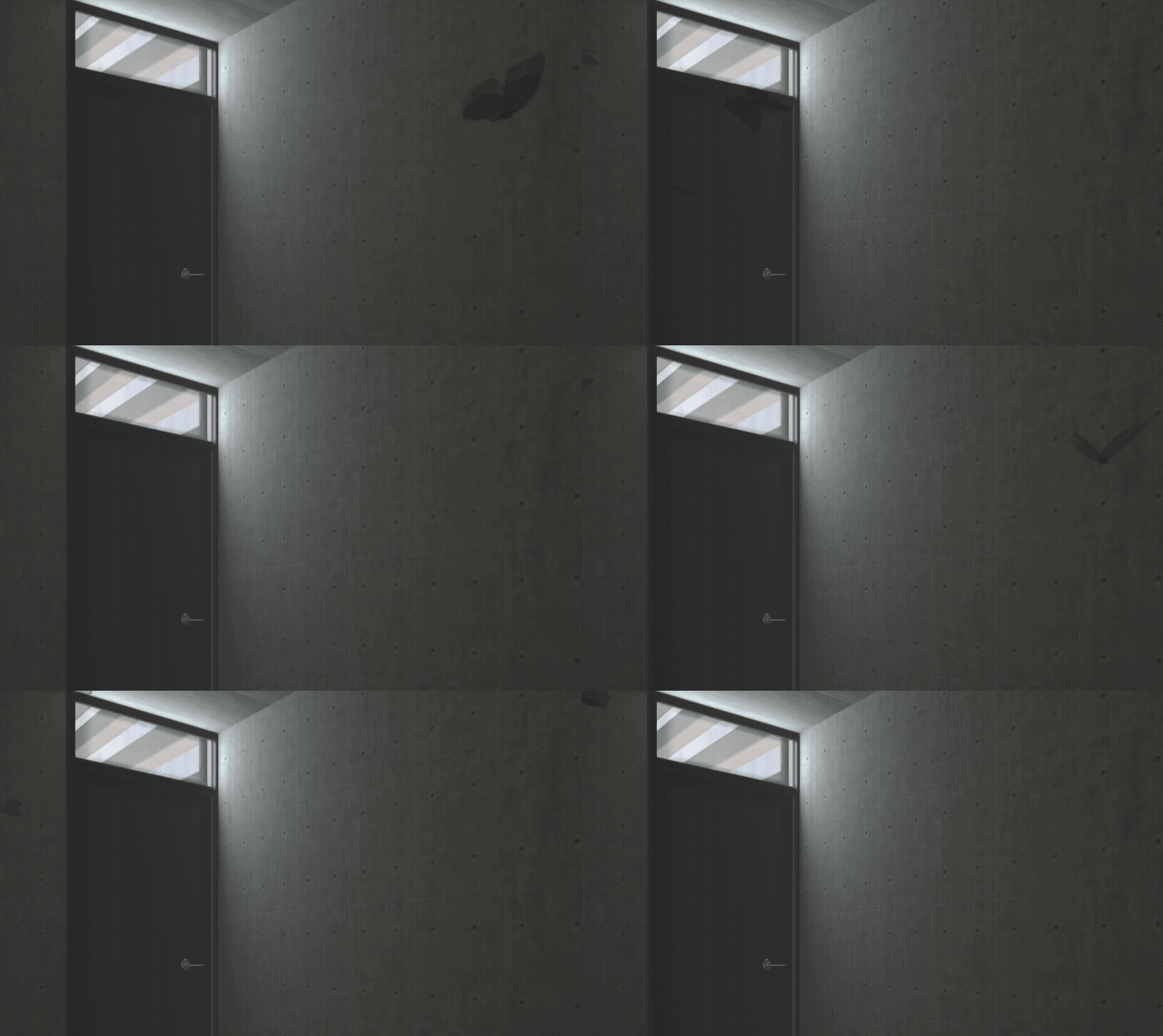
Ye Li, Landing Surfaces, 2024. Detail
Things are rendered into nouns
30.05.2026
“Clarity” can sometimes feel like a form of violence.
Only when things begin to blur does Vision finally loosen its hold. Contours no longer rush to define an object; they merely allow something to emerge slowly from the background, the way memory drifts back to the surface of consciousness from deep sleep. Like vision before it has fully focused in the early hours of morning. Or the faint double exposure that begins to gather around the edges of the world after staring at a screen for too long, when every object seems to drag behind it a sluggish layer of grey.
It is not emotion.
More like the residue brightness leaves behind in exhaustion.
These greys do not reflect meaning. They absorb light slowly, then return it to space in a weaker, more fatigued form. It resembles neither fabric, nor liquid, nor metal. It is only a covering. Only a surface. Only a temporary arrangement of perception.
A door does not always lead into a room.
Sometimes it leads only into brightness itself.
Georges Perec would measure the gaps inside a room.
The distance between a chair and a wall.
The angle at which a curtain falls.
The speed at which dust accumulates across a tabletop.
But within these images, measurement fails.
Boundaries begin to soften. Walls retreat slowly like liquid. Objects no longer exist through outline, but through the fading intensity of light. Looking begins to resemble a slow submersion: one is no longer identifying things but sinking gradually into the moment before object and background have fully separated.
That white surface, covered in its fine grain, appears at once like textile and like the enlarged pixel matrix of a display screen. It possesses both the softness of fabric and the coldness of an electronic interface. Looking at it produces a strange tactile confusion, it becomes impossible to tell whether one is facing a real material, or only the afterimage of a simulated one.
These things refuse to become “objects.”
They resemble something more like a protocol.
A temporary negotiation of vision.
In Cosmicomics, Calvino writes of a universe once compressed into a single point; of ladders climbed to the moon for milk; of galaxies expanding slowly like soup. What makes those stories so seductive is the way they return immense cosmological questions back to the scale of the body, transforming them once again into questions of touch, distance, and skin.
Space therefore no longer feels stable.
It begins to lose itself.
The boundary between sky and cloud dissolves. White overlays white. Like a cache overflow. Like a screen left glowing after overexposure. Structure still exists, but only as a silent field of force.
Static forms begin to generate tension simply through their relation to one another.
Faint points of light become embedded between mirrored walls, cables, fluorescent tubes, and thin reflective surfaces, scattering, and refracting continuously. They flicker momentarily, wavering somewhere between industrial illumination and distant stars. It becomes impossible to tell whether this glow belongs to a mechanical system, or whether space itself has begun to tremble slightly from within.
Perhaps it is only a delay.
A moment stretched continuously outward, never quite reaching its end.